

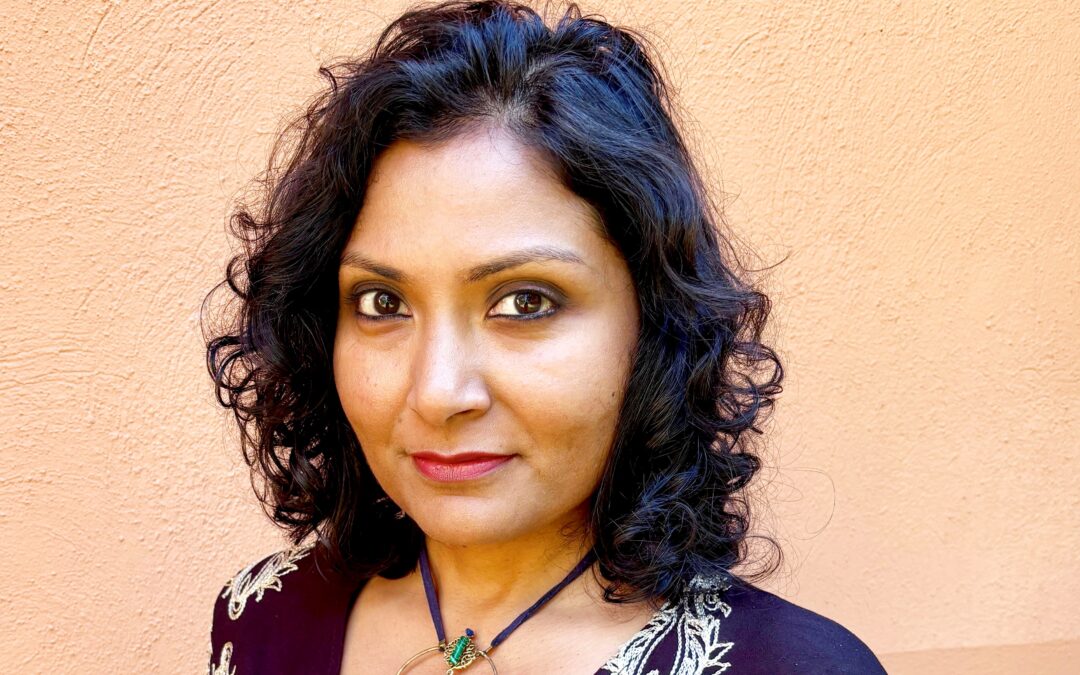
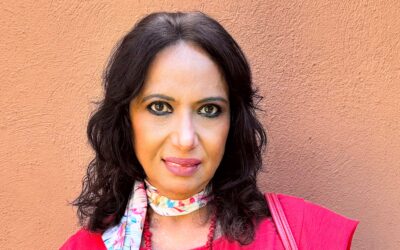
Romicon Revola (a.k.a. Romi) is an Indian contemporary artist whose multidisciplinary practice transcends traditional boundaries of sculptural expression. Her work has transformed prestigious public spaces across multiple cities, from the bustling corridors of international airports to the sophisticated gardens of corporate campuses.
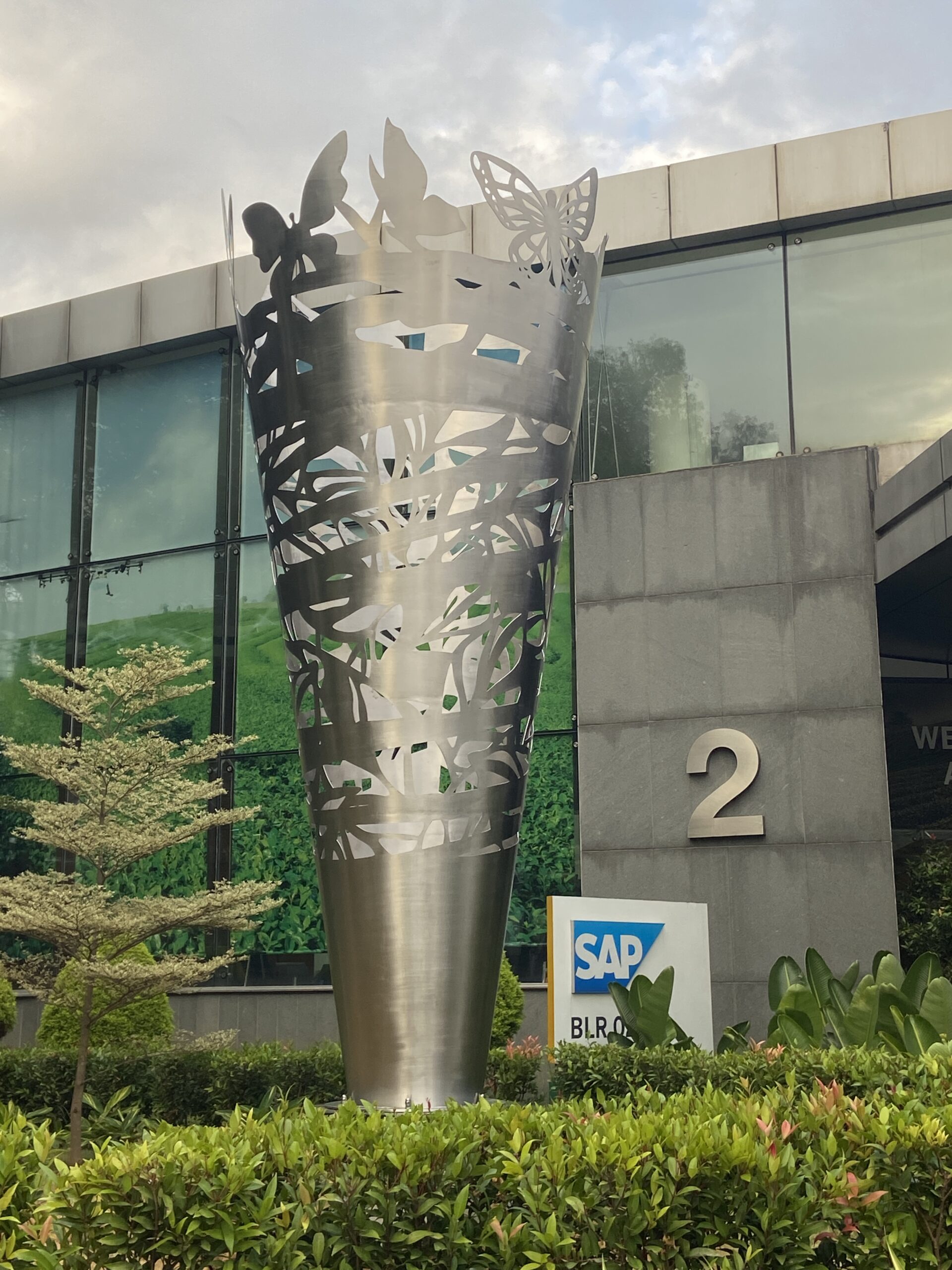
Romi’s commissioned works for global corporations like SAP Labs, Bosch, and Kotak Mahindra Bank, alongside landmark projects for Hilton and JW Marriott, demonstrate not just artistic prowess but a rare ability to engage complex spatial narratives. Her approach transforms each sculptural intervention into a profound meditation on human interconnectedness.
Tell us about your journey as an artist and if you were inspired by your mother who is also an artist?
I grew up in a family of artists, so creativity was a natural part of everyday life. I trained under my parents and later apprenticed under senior artists, which gave me a strong technical foundation while encouraging me to develop my own artistic voice.
My career began with large-scale public sculpture at a time when Bengaluru was rapidly transforming into the Silicon Valley of India. As the city expanded, opportunities for public art grew, allowing me to create sculptures and installations for corporate campuses, hotels and public spaces.
Over time, my curiosity led me towards experimenting with ephemeral materials, found objects, digital media and emerging technologies such as augmented reality and lenticular art.
I see technology not as a replacement for traditional art forms, but as another tool that expands the possibilities of artistic expression. Digital and interactive mediums allow me to explore ideas of perception, transformation and multiple realities in ways that are not always possible through physical sculpture alone.
Ultimately, my practice is about constant evolution. Artists must remain curious and continue questioning their own language; otherwise, the work stops growing.
My mother certainly inspired me by showing me what a life dedicated to art looks like. But beyond that, she taught me the importance of remaining authentic, curious and constantly evolving. While we share a passion for art, our artistic languages are very different, and that individuality is something we’ve always encouraged in each other.
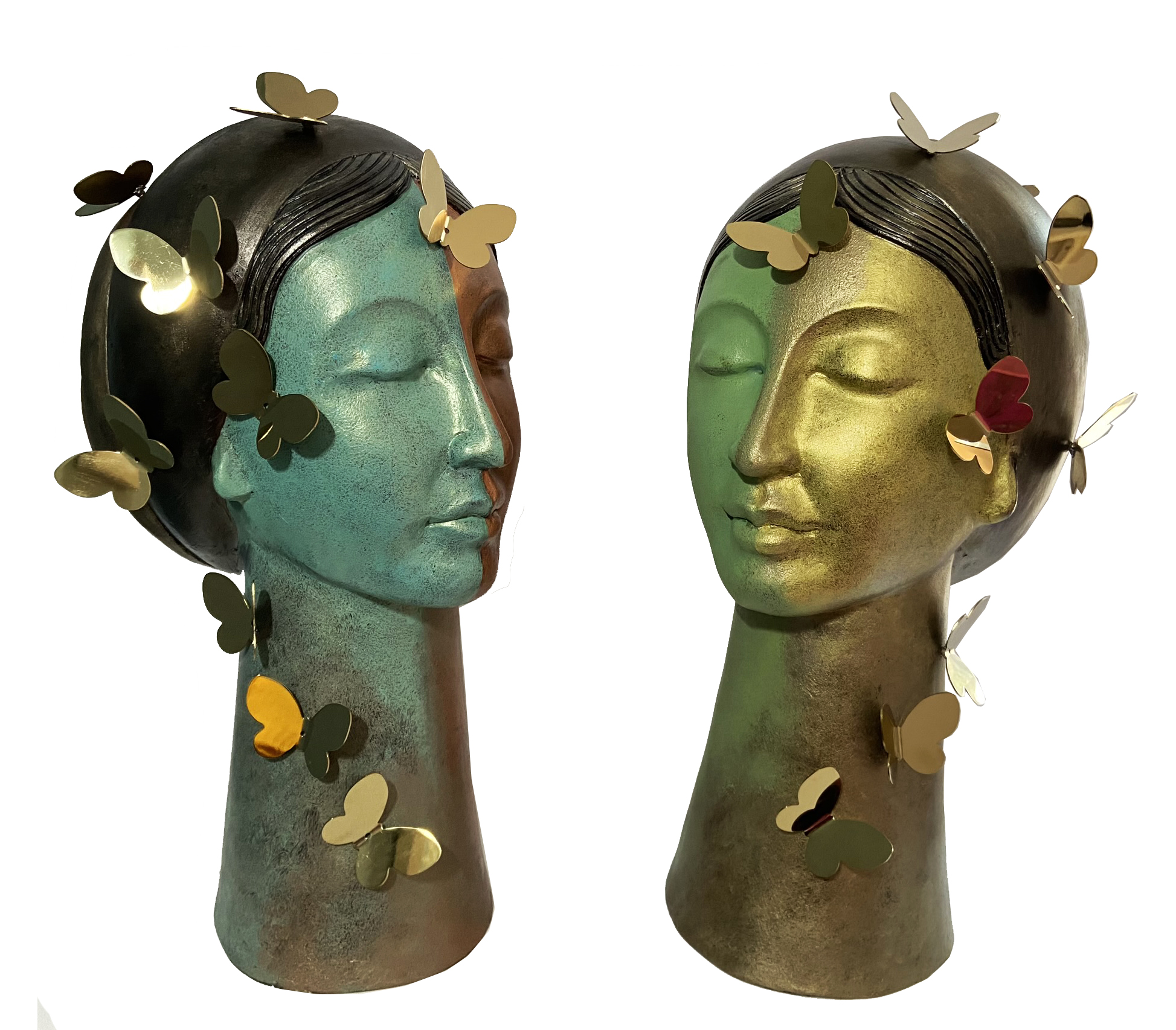
Maya
Please tell us about how and why you incorporate the tree in your sculptures?
The tree has been a recurring symbol in my practice because it represents the profound interconnectedness between life, nature and human existence. A single tree is not just an individual organism—it is a living ecosystem that supports countless other forms of life while constantly adapting and evolving. In many ways, it is a miniature representation of the Earth itself.
In the context of climate change and rapid urbanisation, the tree has become an especially powerful symbol of resilience, regeneration and the urgent need to reconnect with nature. I have incorporated the tree form in both my large-scale outdoor sculptures and smaller metal works as a reminder of the essential role that nature plays in sustaining our world.
I have also worked with fallen tree trunks in some of my projects, using them as a way to highlight the importance of preserving natural elements within increasingly urban environments. By transforming a discarded tree trunk into an artwork, I was able to give it a renewed life and extend its presence in the world—not simply as an object, but as a reminder of the relationship we share with nature.
For me, the tree is not only a symbol of ecology; it is also a metaphor for growth, transformation and the interconnectedness of all living systems.
How was it like exhibiting solo in Italy? How was it different compared to India?
Having a solo exhibition in the heart of Rome at a gallery close to historic landmarks such as Castel Sant Angelo and St. Peter’s Basilica was both exciting and deeply meaningful. Italy has an extraordinary artistic heritage, and exhibiting there creates a dialogue between contemporary practice and centuries of artistic tradition. It was inspiring to see audiences engage with my work in a completely different cultural context.
The biggest difference wasn’t the audience but the context. In India, much of my practice involved creating public sculptures that became part of the urban landscape and were encountered by people from all walks of life. In Italy, presenting a solo exhibition within a gallery encouraged longer conversations around the ideas and processes behind the work. Working across both cultures has broadened my perspective and enriched my practice.
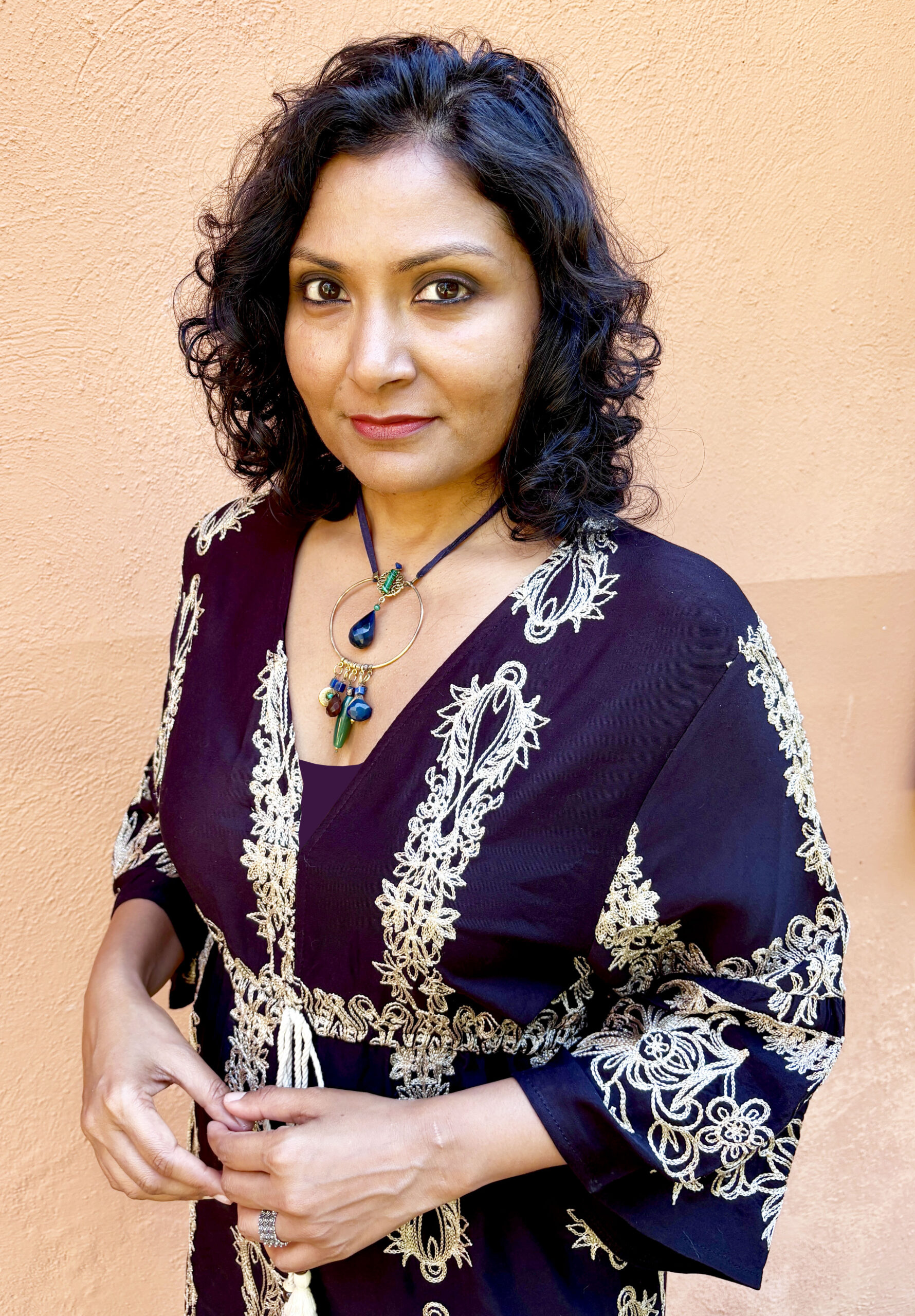
Romicon Revola
Every artist has to carve their own unique path, much like an entrepreneur, and there is no single formula for building a creative career. The most important thing is to remain committed to continuous artistic growth, keep evolving your practice and think of the world as your potential audience rather than being limited by geographical boundaries.
Travelling abroad for exhibitions may not always be financially possible for every artist, but today there are many ways to begin building international connections. Digital platforms, online exhibitions, artist residencies and global networks have created new opportunities for artists to share their work beyond their immediate surroundings. The key is to develop a strong artistic identity and actively seek opportunities wherever they may exist.
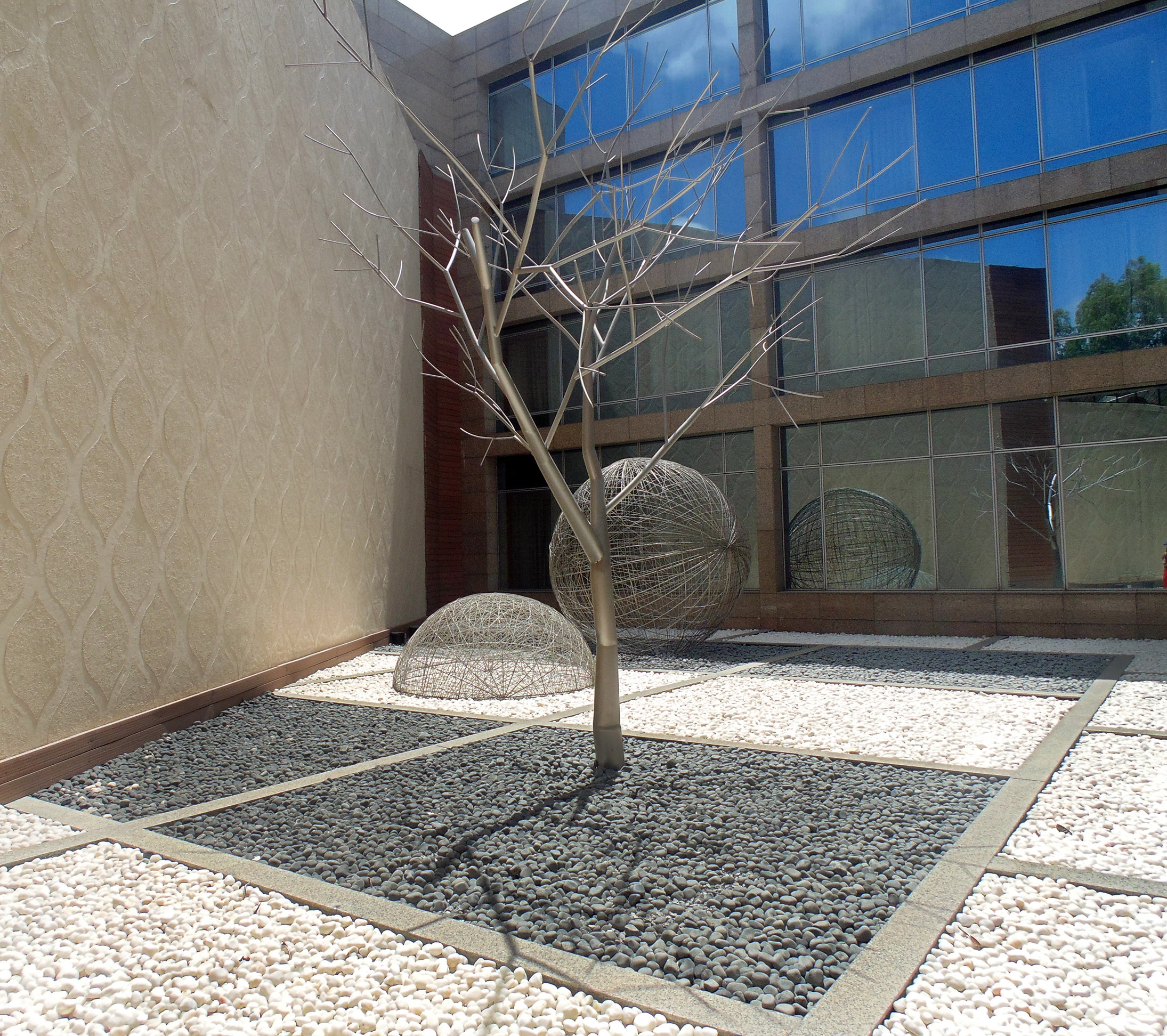
Please tell us more about your biosphere series.
The Biosphere series reflects on the Earth as a living, interconnected cosmic entity. Unlike conventional globes that represent political boundaries, geography and human divisions, these sculptures are stripped of all markings and territorial demarcations. They return the Earth to a more primordial state—one of pure potential, unity and interconnectedness.
Throughout history, we have created boundaries that divide us into nations and regions, often forgetting the fundamental truth that we are all part of the same ecosystem. We breathe the same air, depend on the same oceans and rivers, and are sustained by the same Earth. The natural systems of our planet do not recognize the borders that humans have created.
Through the Biosphere series, I invite viewers to contemplate the Earth not as a collection of separate territories, but as one living organism. This shift in perspective encourages us to reflect on our shared responsibility and our deep interdependence with each other and with the natural world.
For me, the series is ultimately about moving beyond separation and reconnecting with the larger cosmic framework of which we are all a part.
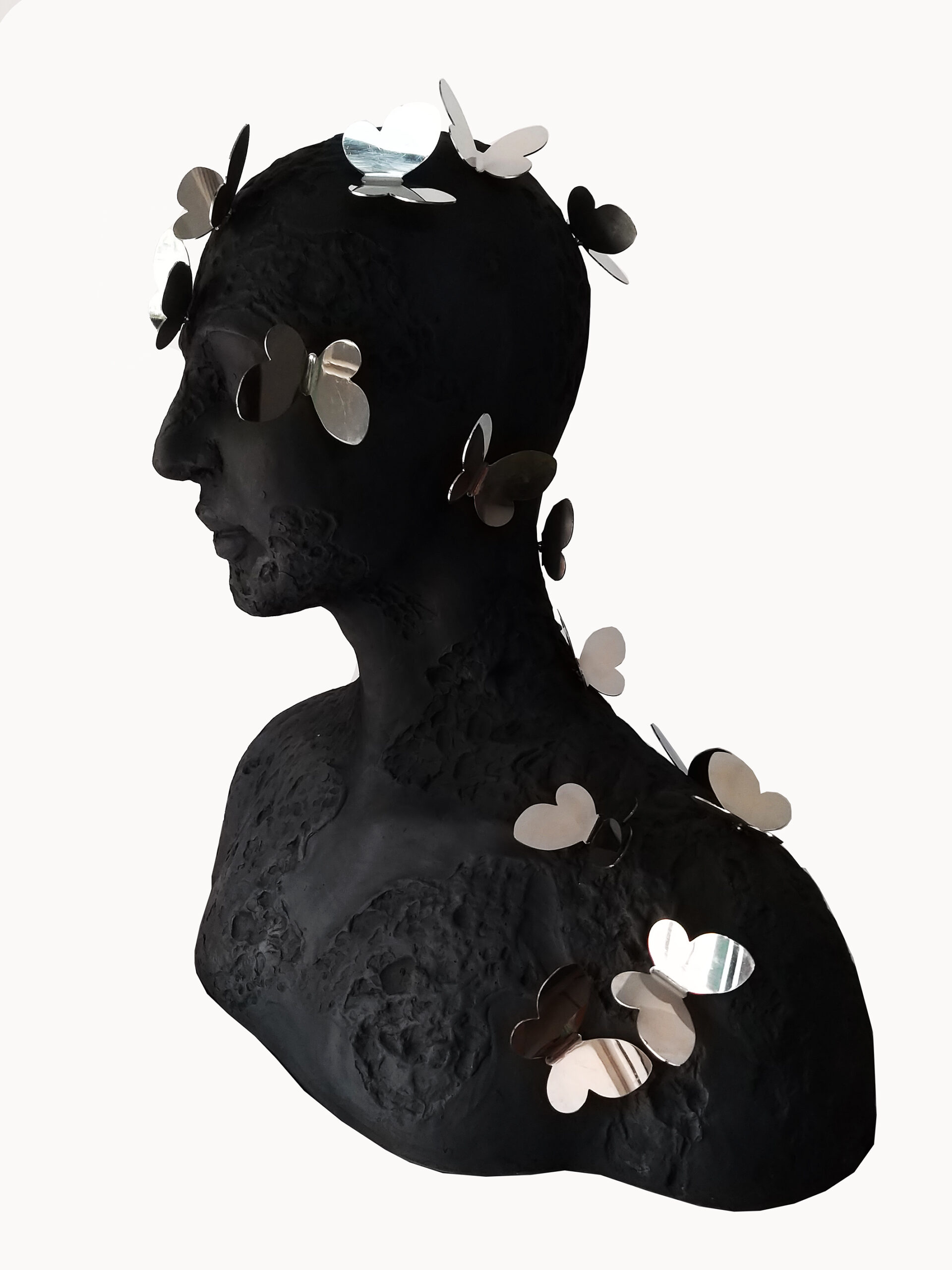
Trilokini
Who is your favorite artist in Italy from the new age ones?
My favourite contemporary Italian artist is Arnaldo Pomodoro. As someone who has spent much of my career creating large-scale public sculptures, I feel a natural connection to his work. I’ve always admired his ability to transform monumental geometric forms into objects that reveal intricate inner worlds. His sculptures have a powerful architectural presence while remaining deeply poetic and symbolic.
What I find especially inspiring is how his work engages with public space. It invites people to pause, reflect and interact with it, regardless of whether they have a background in art. That idea has always resonated with me because I believe public art has a unique ability to become part of people’s everyday lives while sparking curiosity and imagination.
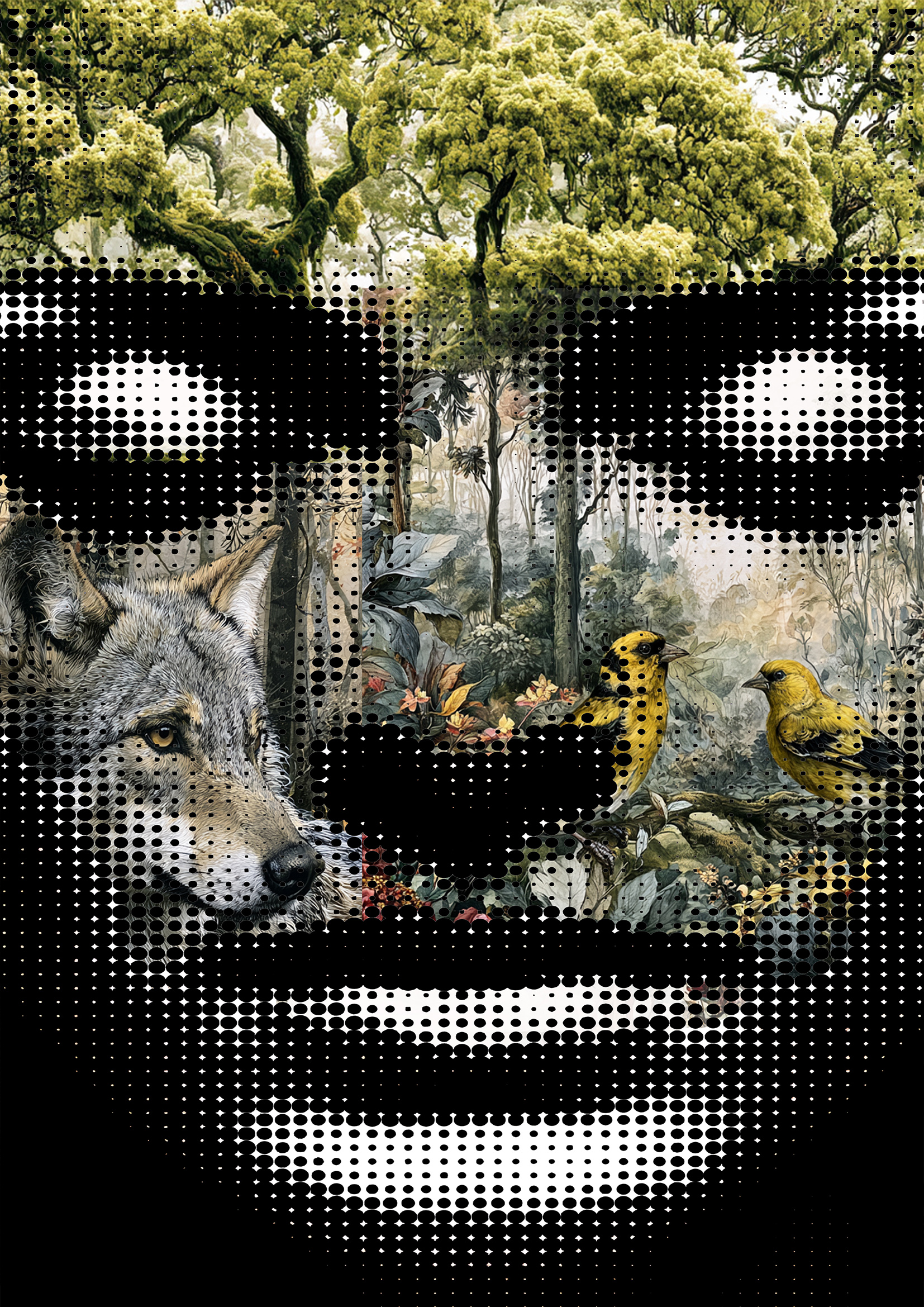
Cantico-2
Which are your favourite cities for food, art and travel?
Italy has incredible food wherever you go, so it’s difficult to pick just one city for that. For art and travel, I love the magic of Venice, the grandeur of Paris and the timeless historical depth of Rome. What draws me to a city is its atmosphere as much as its cultural heritage. I’m especially fond of places that are pedestrian-friendly, have a river, lake or waterfront, and possess a distinctive architectural character. Those are the kinds of cities that invite you to slow down, explore and continually discover something new.
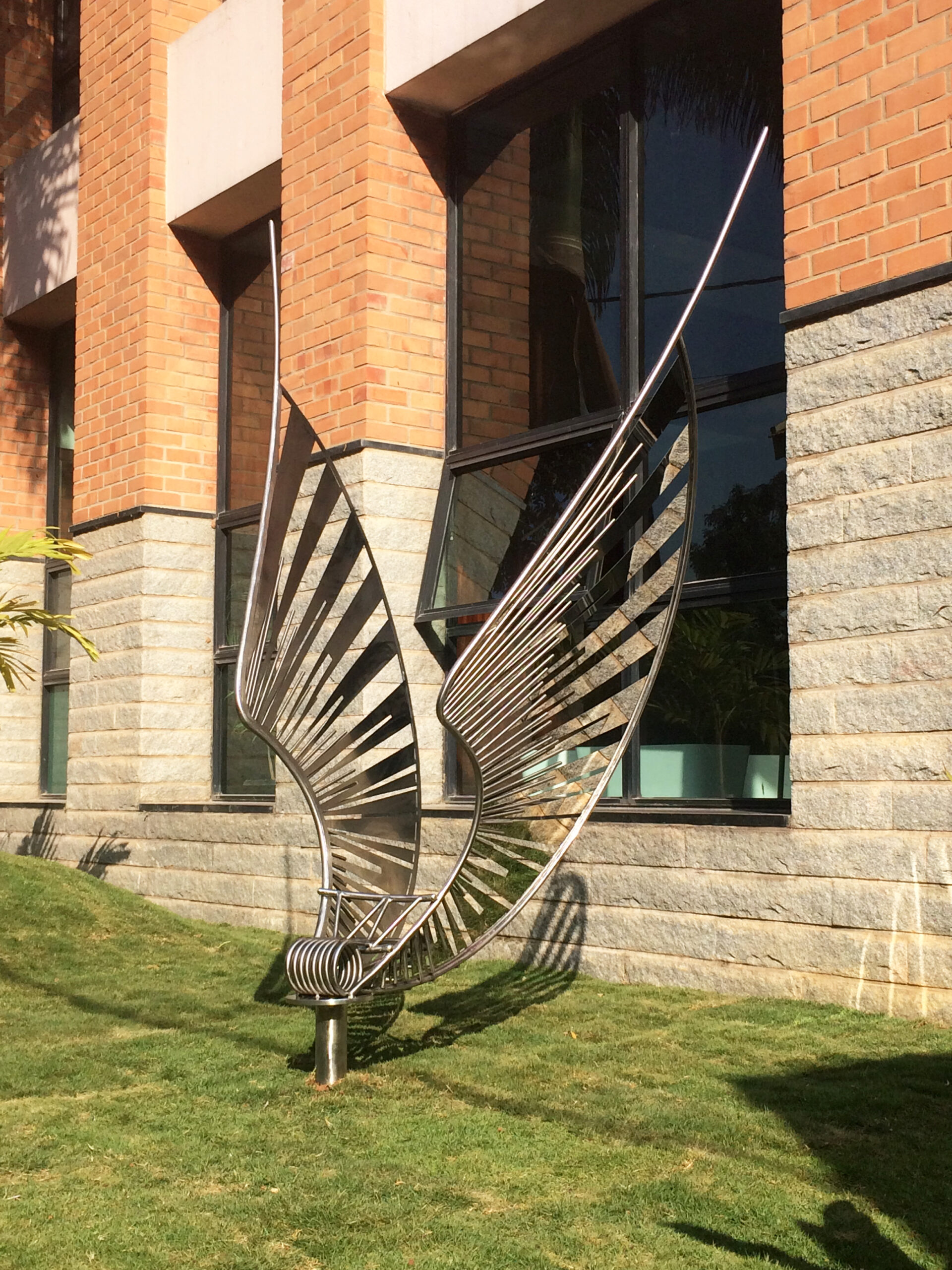
Alighting-1
Which is the artwork created by you that makes you most proud of and why?
It’s difficult to choose one artwork because each work represents a different chapter of my journey. I always try to push myself further with every project, whether in terms of scale, concept or the medium I explore. Because of that, my most recent work is usually the one I feel most proud of—it reflects my current questions, discoveries and growth as an artist.
For me, art is a continuous process of evolution, so the most exciting work is often the one that is still unfolding.
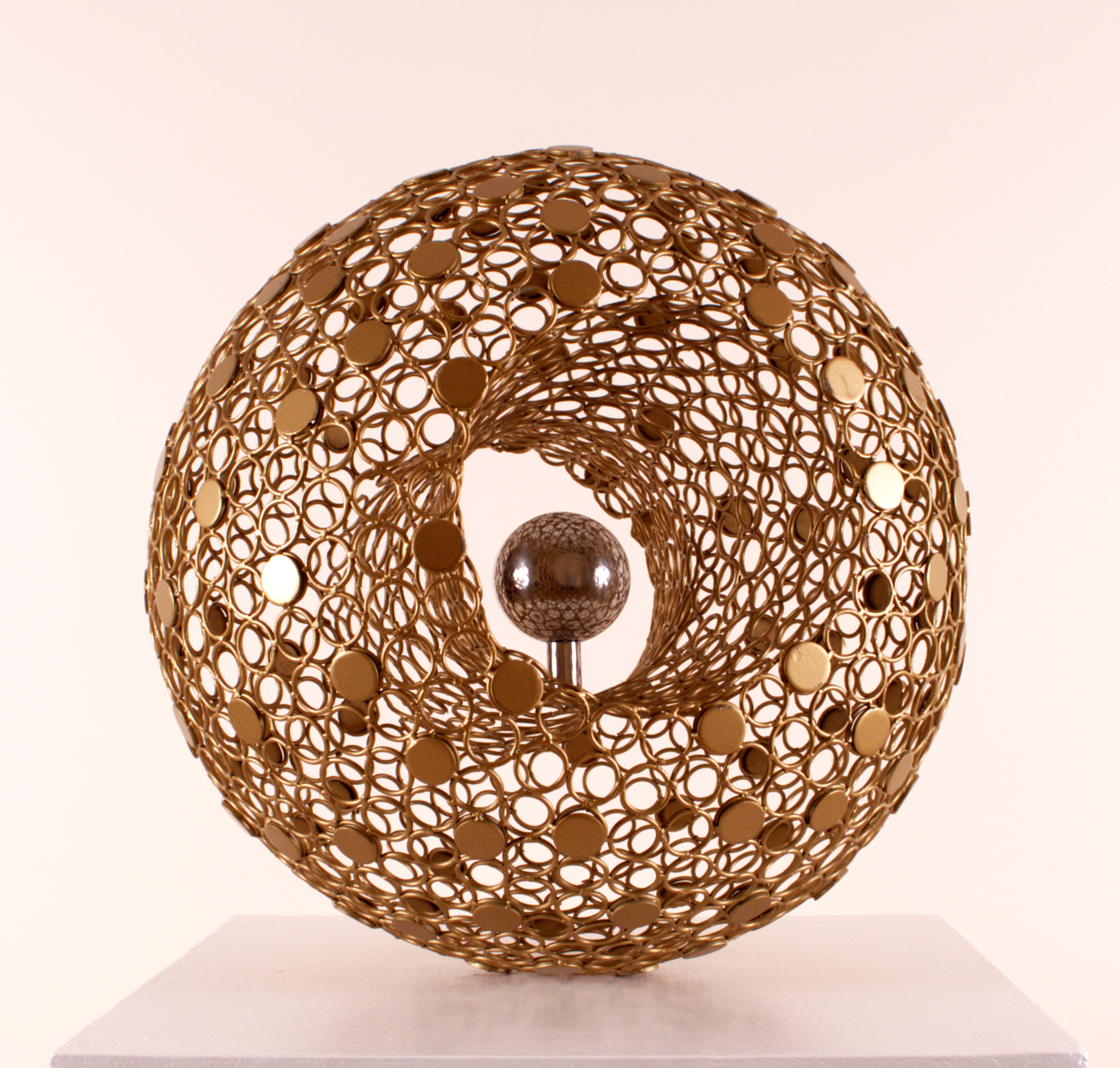
Biosphere
How did you think of incorporating a butterfly into your artworks and what was the reason behind it?
The butterfly entered my artistic vocabulary when I was working on a site-specific installation for a park in Bengaluru. I was drawn to it because it represents one of nature’s most profound transformations—the journey from a caterpillar to a butterfly. This process became a powerful metaphor for evolution, resilience and the expansion of consciousness.
In my works Trilokini and Maya, butterflies appear as recurring motifs within two female figures that I conceived as an iconography for a reimagined world order. These works explore the idea that we are not separate from nature but deeply interconnected with it. When we reconnect with the natural world, we also reconnect with a deeper part of ourselves.
On a scientific level, butterflies are considered bio-indicators of the health of an ecosystem. They are highly sensitive creatures that respond quickly to environmental changes and are often among the first species to disappear when a habitat becomes unsustainable. This sensitivity makes them a powerful symbol for our own relationship with the planet and the impact of our actions on the natural world.
Visually, the butterflies in Trilokini and Maya add multiple layers of meaning. The shimmering surfaces reflect light and the viewer’s own image, creating a moment of connection between the artwork and the person experiencing it. The textures evoke the earth, the blue tones reference the sky and oceans, while the movement of the wings suggests air and transformation. The closed eyes of the figures create a meditative quality, inviting viewers to pause, reflect and form their own interpretations.
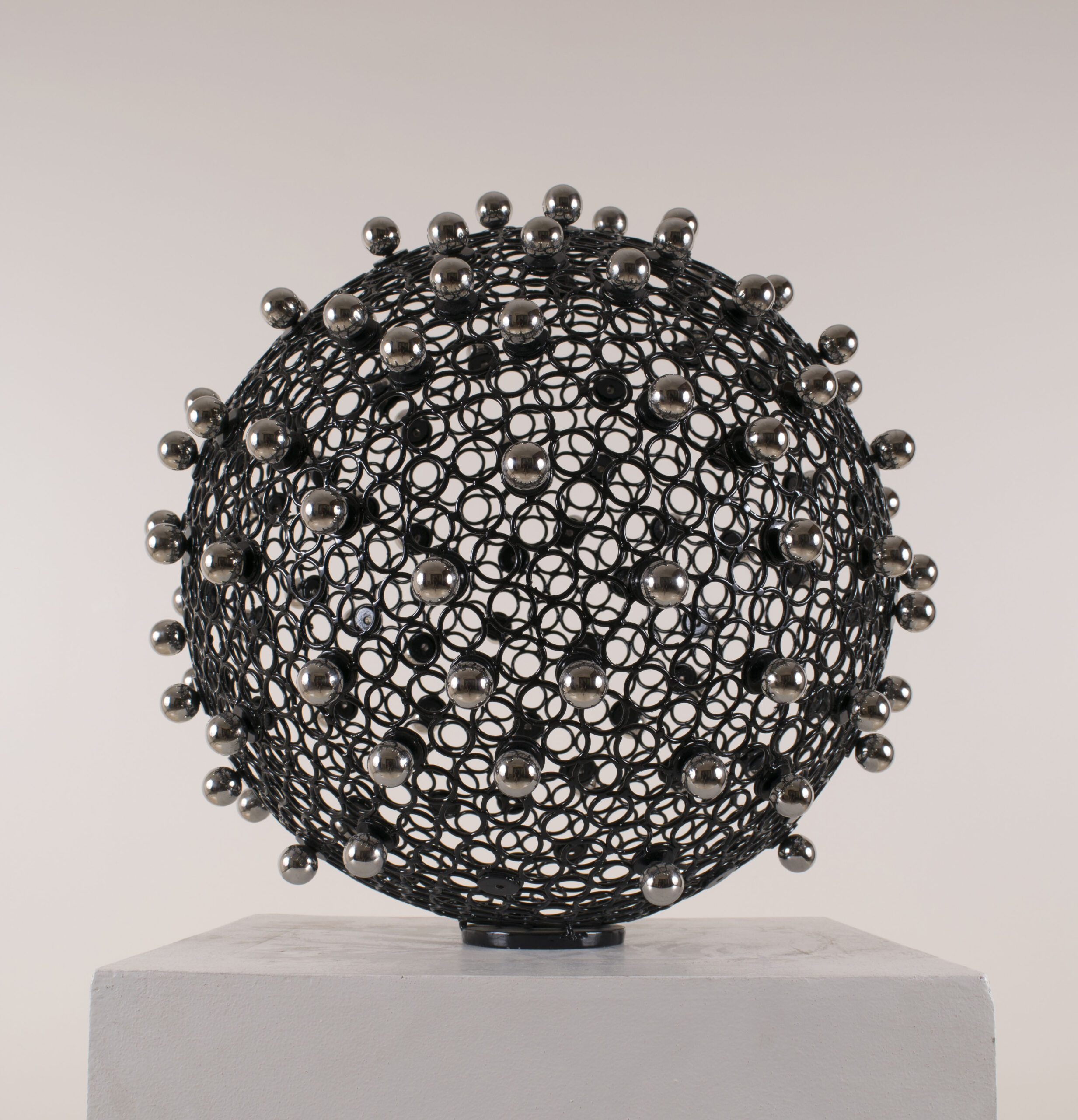
Biosphere-12
Can art be learnt or is it a God given gift that comes to a person naturally?
I believe art is a combination of sensitivity, curiosity, discipline and continuous learning. A person may have a natural inclination towards creativity or a certain way of seeing the world, but artistic ability is something that develops through practice, observation and experience.
Like any other discipline, art requires years of learning—understanding materials, techniques, composition, concepts and the history of one’s craft. At the same time, technical skill alone does not make an artist. What transforms a work of art is the individual’s perspective, imagination and ability to communicate something meaningful.
For me, becoming an artist has always been a process of constant evolution. Every project teaches me something new, and I believe curiosity is one of the most important qualities an artist can have. Art is not simply a gift that one receives; it is a lifelong journey of exploration and discovery.

This work is licensed under a Creative Commons Attribution-NonCommercial-NoDerivatives 4.0 International License.
Very nice work of Romi, so different and relatable.