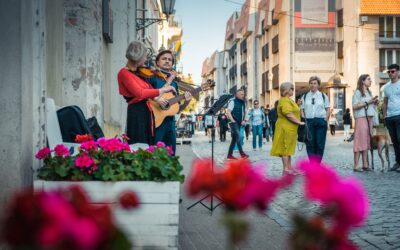
Vilnius-Set “How to Divorce During the War” Wins Directing Prize at Sundance
Vilnius-based film “How to Divorce During the War” wins Directing Award at Sundance Film Festival. Set against the early months of the Russian invasion of Ukraine, when Vilnius welcomed 19,000 refugees, the film portrays a family going through personal and political turmoil.
Lithuanian film “How to Divorce During the War” won the Directing Award: World Cinema Dramatic at the 2026 Sundance Film Festival. Directed by Andrius Blaževičius, this darkly comedic drama is set entirely in Vilnius against the backdrop of Russia’s 2022 invasion of Ukraine.
Divorce just before Russia attacks Ukraine
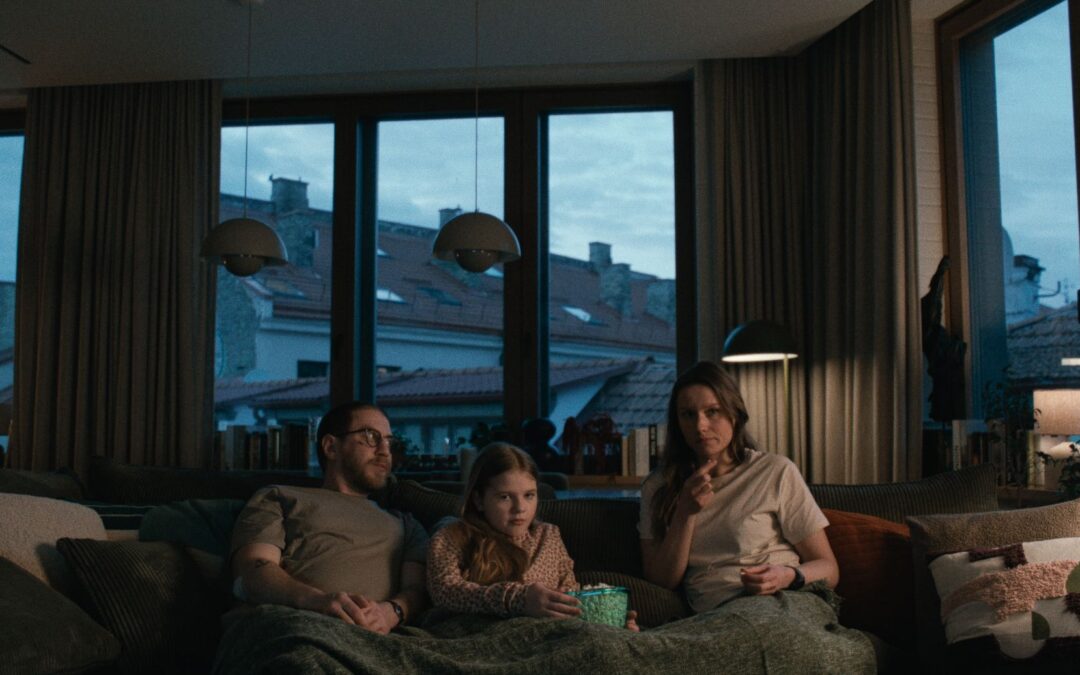
The film follows Marija, an ambitious executive who chooses the worst possible moment to initiate divorce proceedings with her husband – the day before Russia attacks Ukraine. As the couple navigates their crumbling relationship, they are forced to confront their own privilege and moral compromises while war unfolds just a few hundred miles away.
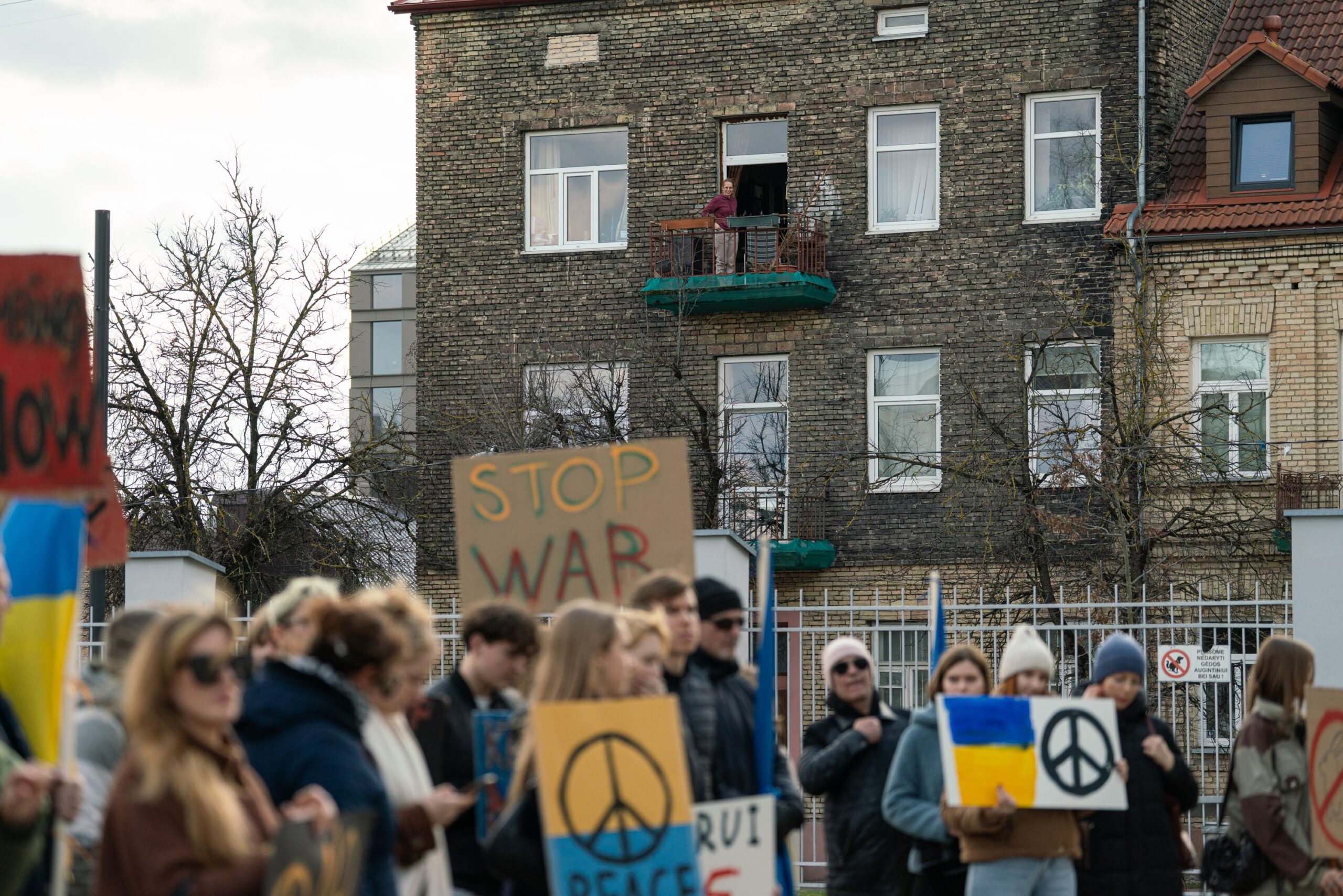
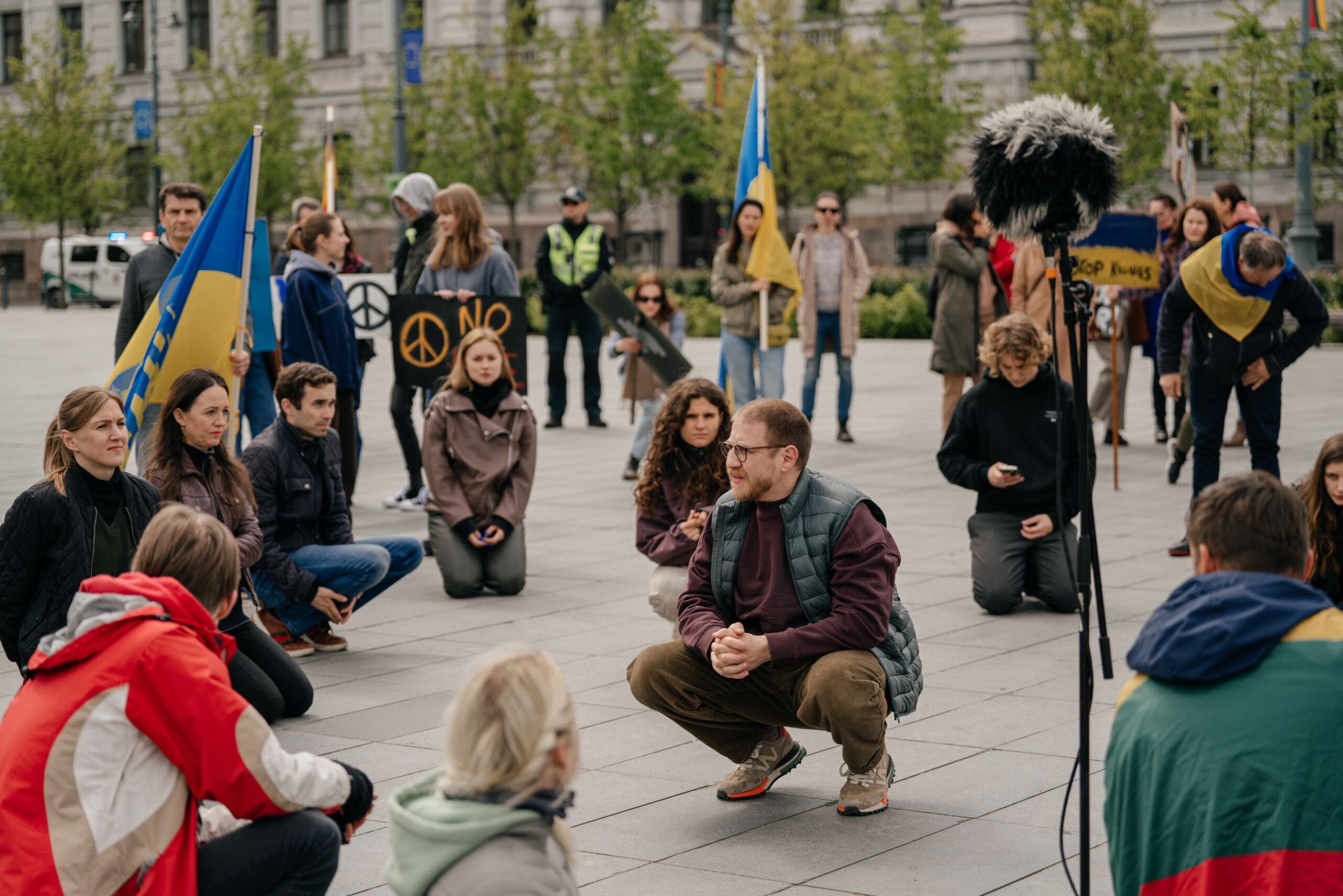
The invasion saw the Lithuanian capital take in 19 thousand refugees in the first year, and the film highlights the willingness of the local population to take in those fleeing the conflict, becoming one of the film’s main plotlines. It also offers a timely meditation on a conflict that has had a profound impact across the region.
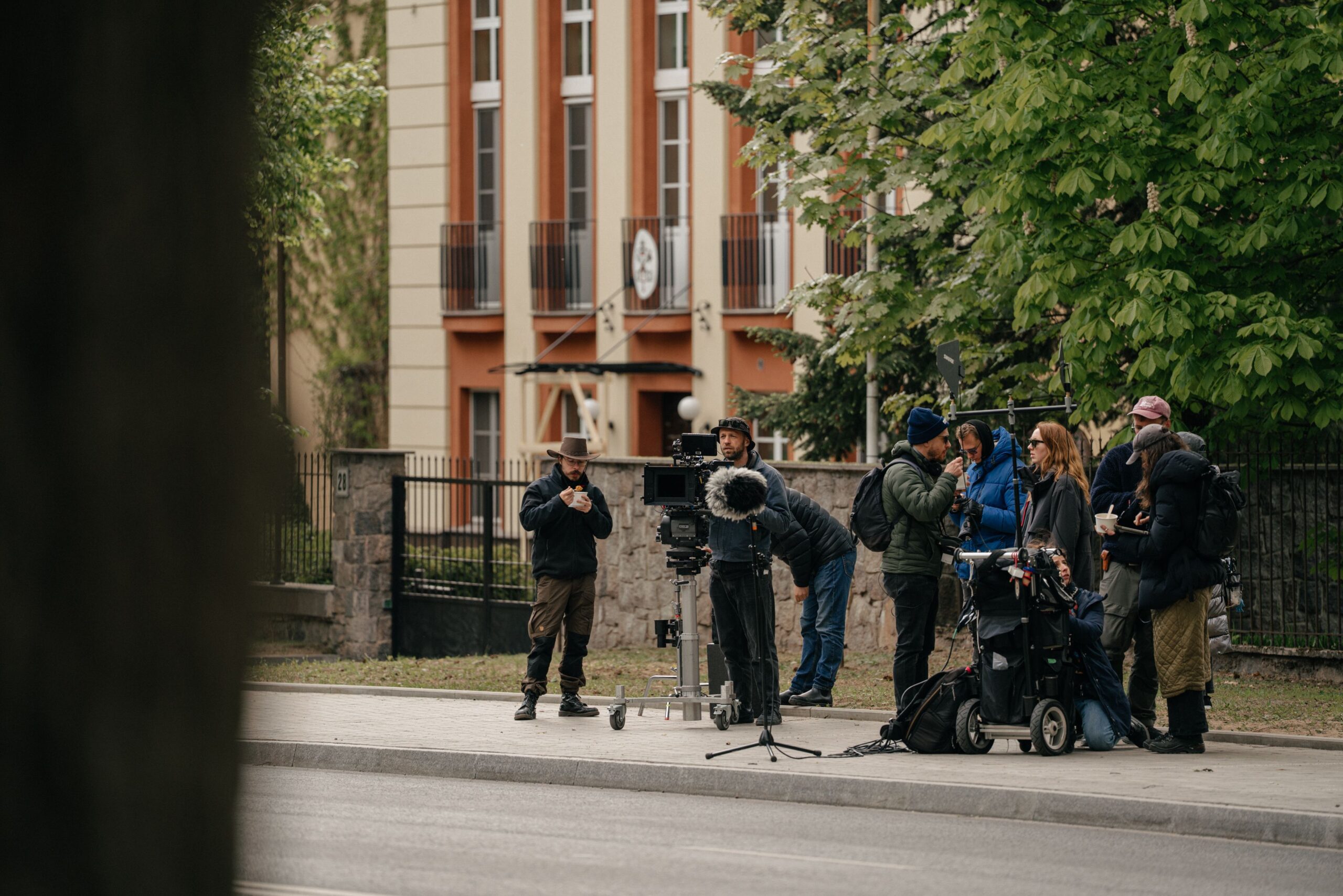
Variety praised the leads for their “finely tuned, delicately ironic performances” while The Film Verdict called it “intelligent” and noted one sequence as “one of the best scenes of marital fracture in recent memory.”
“Vilnius was the perfect setting for this story – I wanted to make a film about Europe, and I needed a capital city where I could capture that specific moment in 2022,” said director Andrius Blaževičius. “Vilnius in 2022 was a city transformed – there was a huge number of Ukrainian refugees, Ukrainian flags appeared everywhere. As it is the capital, it is where the country’s response to the war was very visible, that tension between normal life and geopolitical crisis. The city itself preserved those visual markers of that historical moment, making it very easy to capture that documentary reality. When we filmed three years later, those same flags from February-March 2022 were still hanging in the streets.”
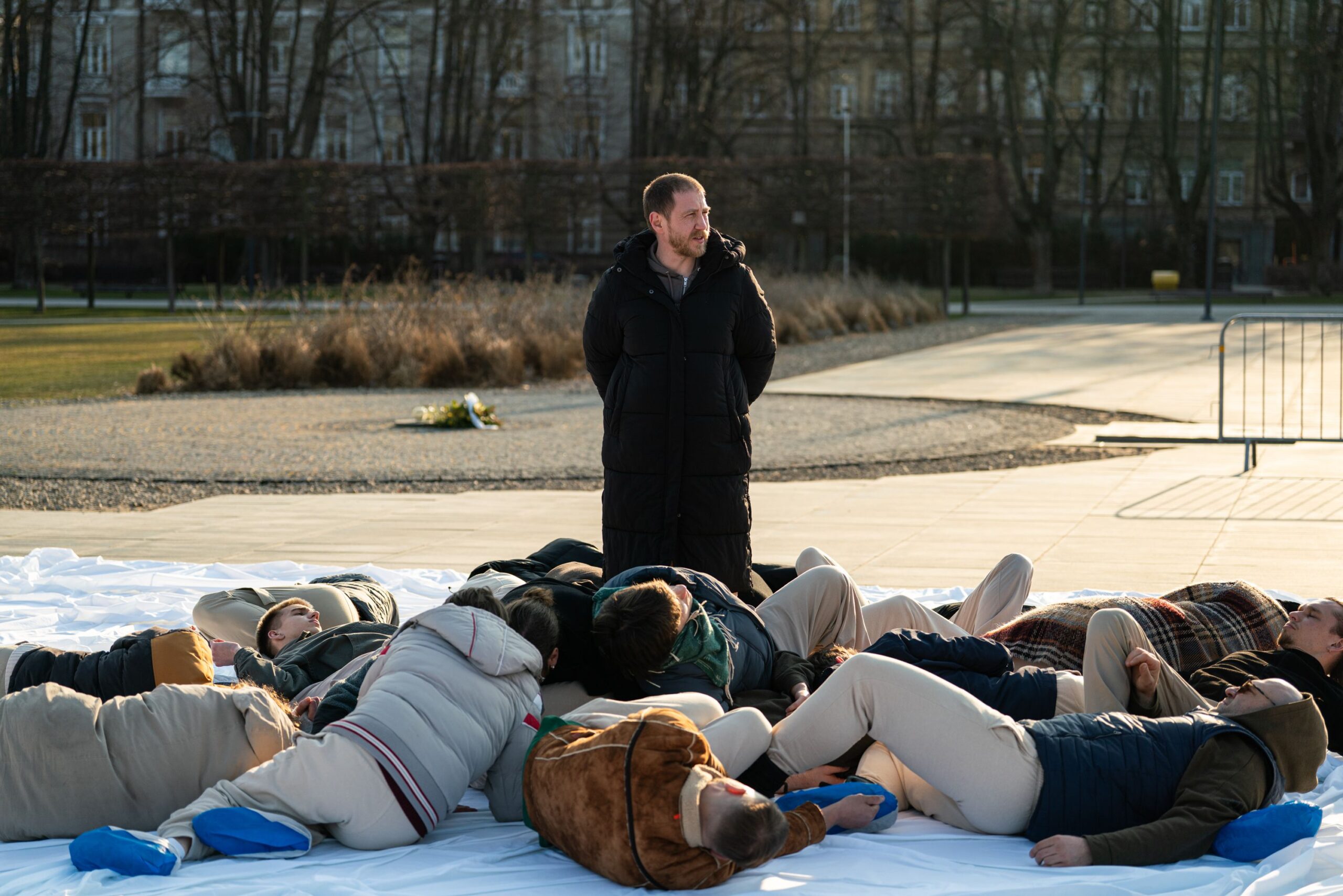
Vilnius as a backdrop to award-winning film and TV series
The film showcases Vilnius extensively, with principal photography taking place throughout the city’s UNESCO-protected Old Town and the suburb of Antaviliai.
In recent years, Vilnius has become a key European film hub, standing in for locations such as 1980s Ukraine in “Chernobyl,” Cold War-era Siberia in “Stranger Things,” and 19th-century Austria in “Sisi,”.“We are proud that ‘How to Divorce During the War’, which is supported by the newly established Vilnius Film Fund, is gaining international recognition so quickly,” notes Jūratė Pazikaitė, Head of the Vilnius Film Office, which administers the Vilnius Film Fund, established in 2025 to provide funding specifically for international co-productions filmed in the Lithuanian capital.
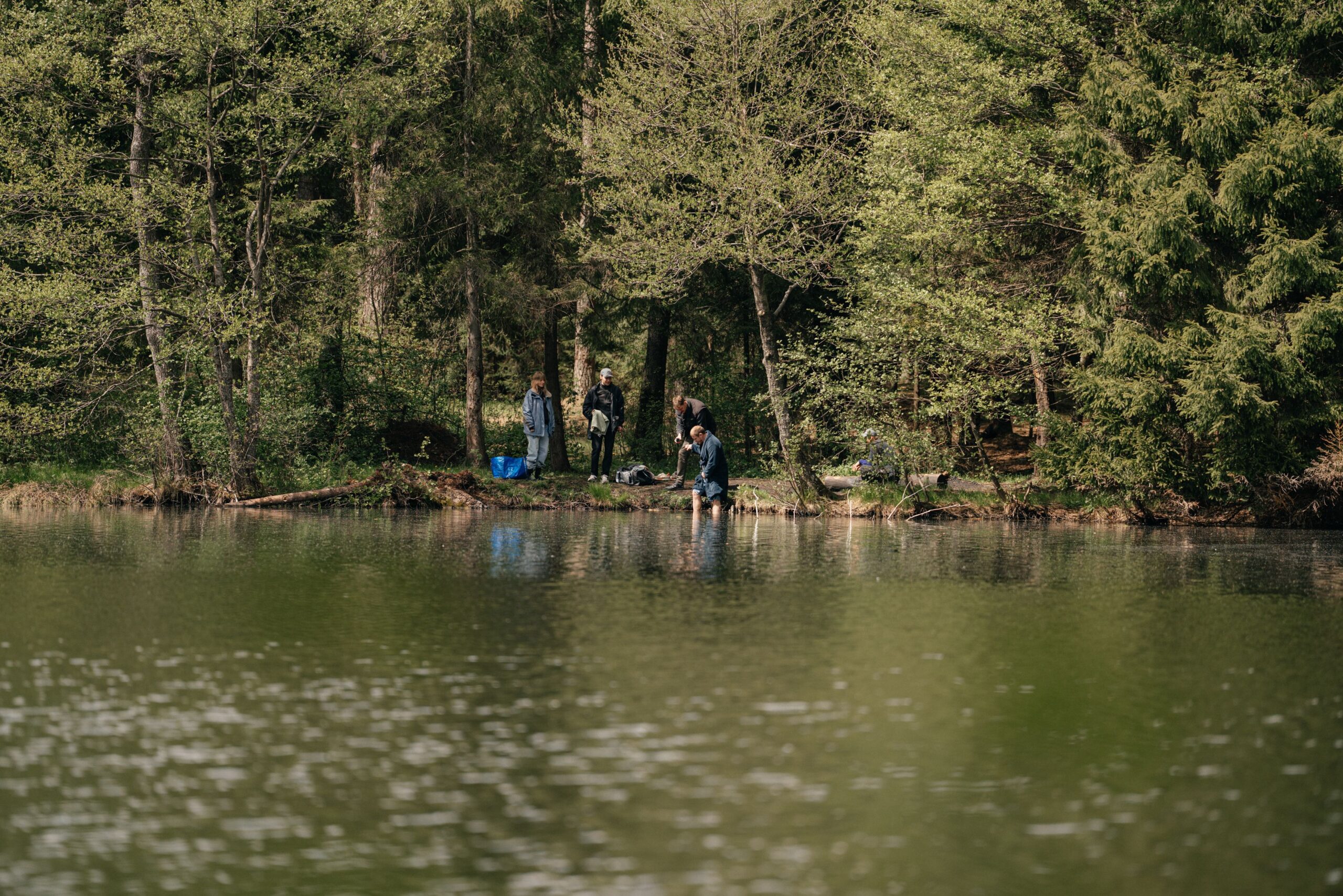
According to her, Vilnius is a film city that fosters and sustains a vibrant film ecosystem bringing together creators, producers, and other stakeholders.
While Vilnius Old Town and socialist modernist buildings remain the city’s most popular filming locations, film crews have also used the city’s green areas, including parks and lakes, as well as historical Lukiškes prison and trendy post-industrial New Town district. In 2025, Vilnius hosted a wide range of genres: historical dramas, children’s films, crime and sci-fi series, action thrillers, and more.
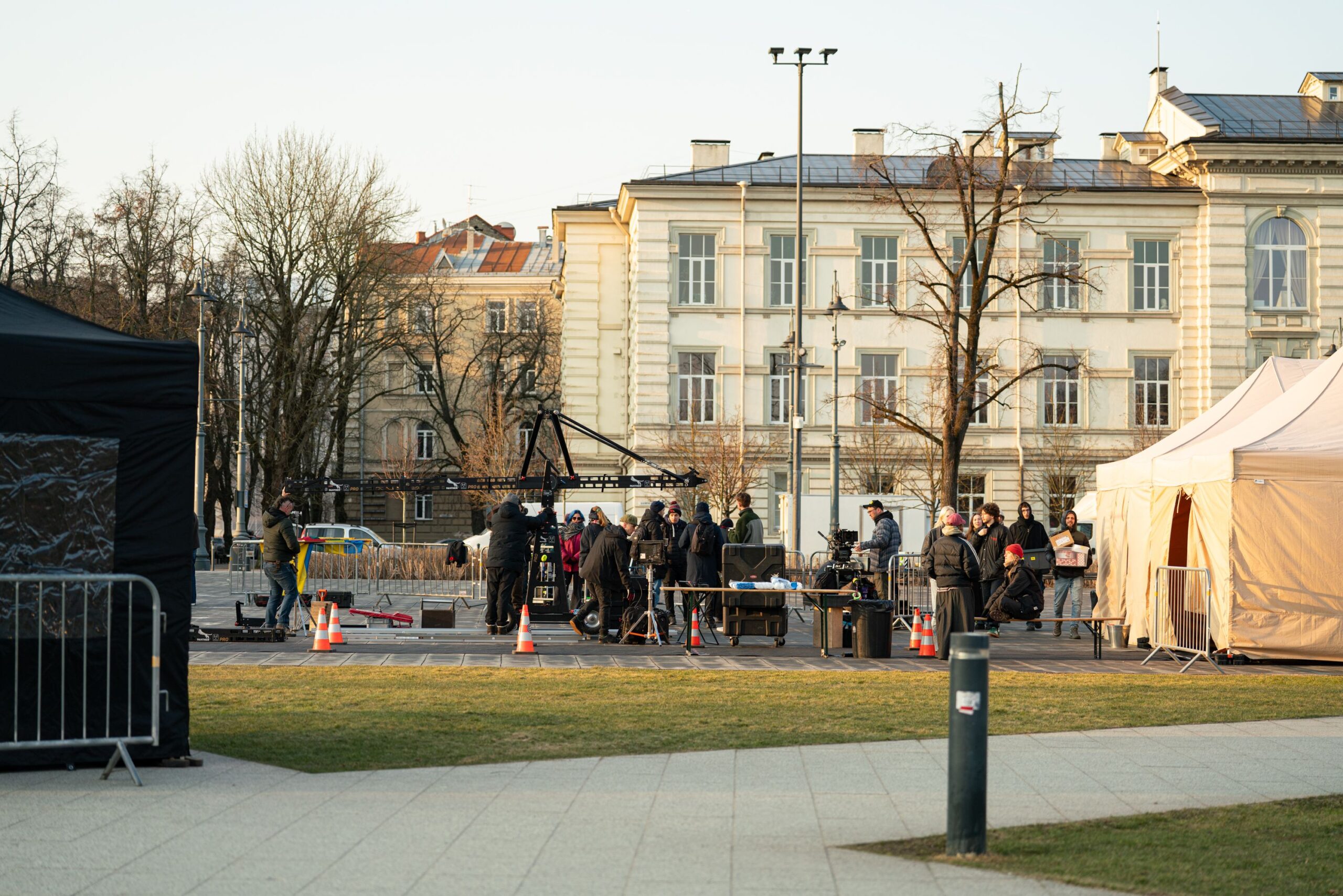
How To Divorce During the War Still © M-Films
Another cinematic win for Lithuania
The international co-production brought together talent from Lithuania, Luxembourg, Ireland, and the Czech Republic. The lead roles are performed by Marius Repšys and Žygimantė Elena Jakštaitė, a recipient of the European Shooting Stars award.
“How to Divorce During the War” is Blaževičius’s third feature film. His previous work, “The Saint” and “Runner,” won a total of eight Silver Cranes – Lithuania’s national film awards. The film had its European premiere at the Gothenburg Film Festival in January 2026.

This work is licensed under a Creative Commons Attribution-NonCommercial-NoDerivatives 4.0 International License.