As nature-based tourism continues to grow globally – driven by travelers prioritizing sustainability, conservation, and authentic outdoor experiences – Vilnius is emerging as a destination where nature is not separate from the city, but part of everyday life.
As travelers increasingly seek destinations that combine urban culture with access to real nature, Vilnius offers a rare mix: a modern European capital with thriving ecosystems woven into its urban fabric.
With summer approaching, the Lithuanian capital stands out for several unexpected nature highlights:
● 81 recorded bird species within city limits – among the highest in European capitals
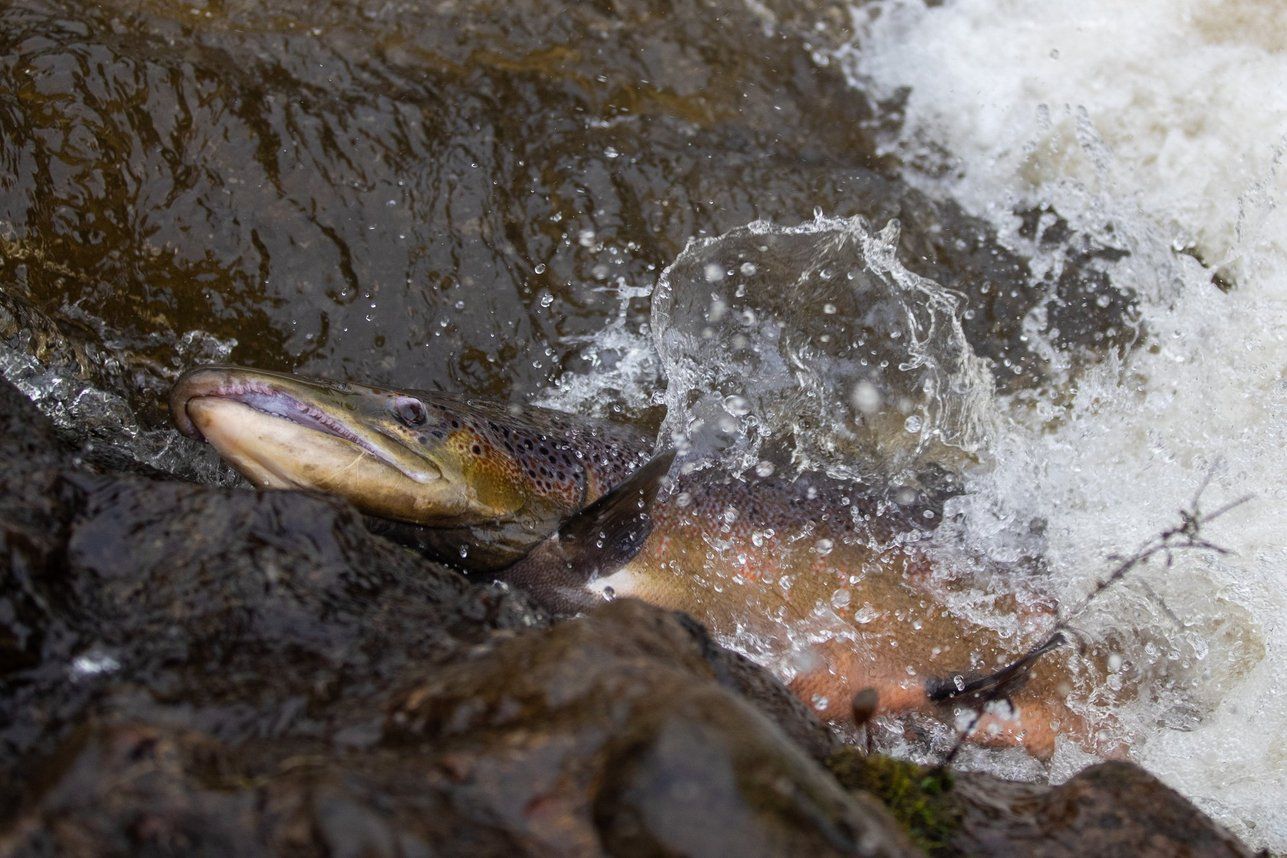
● Salmon migrating up to 500 km from the Baltic Sea to spawn in the Vilnelė River in the city centre
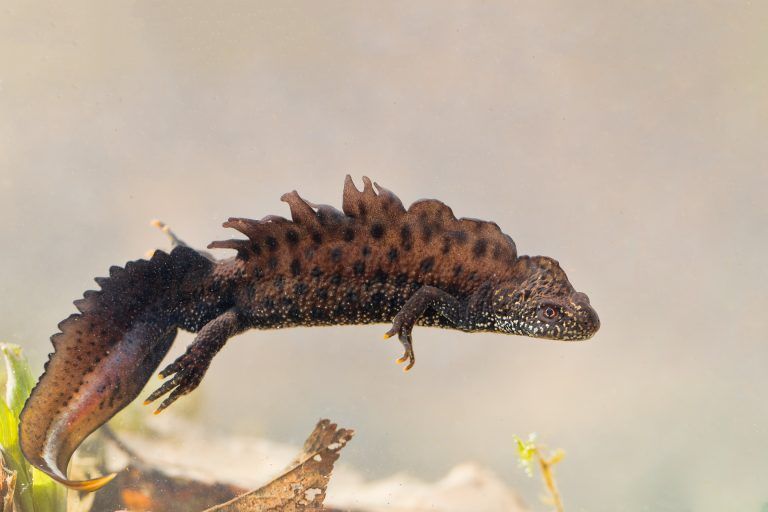
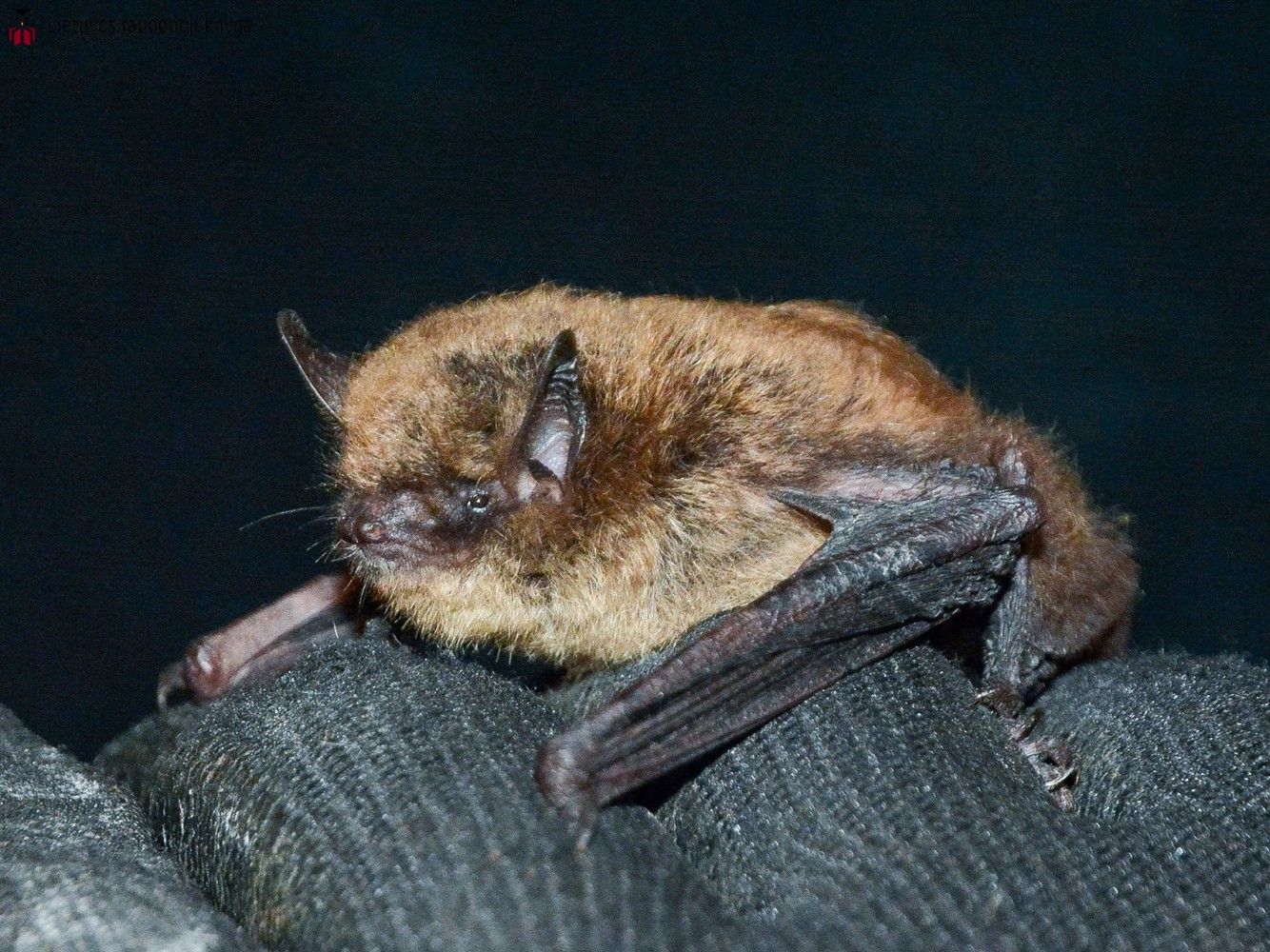
● Some of Europe’s largest hibernating bat populations, including the rare European barbastelle
According to Anton Nikitin, Chief Sustainability Officer at the City of Vilnius, the city’s network of natural and semi-natural areas creates a sense of being far beyond the city limits, despite being in the capital.
Birdwatching is booming. Birdwatching tourism is growing rapidly, with the global market projected to reach USD 117.16 billion by 2030 (Grand View Research). In Vilnius, visitors can experience an unusually rich birdwatching environment for a European capital, including EU-protected species such as the red-breasted flycatcher, corncrake, and marsh harrier.
The highest diversity – 48 species – has been recorded in Pilaitė, where wild nature areas coexist with residential neighbourhoods.
“Birds are one of the key indicators of environmental health, as their populations respond quickly to environmental change,” says Anton Nikitin.
Clean rivers. Only 37% of Europe’s surface waters are in a healthy ecological state, making the Vilnelė River a rare exception.
Flowing through Vilnius, the river has water quality comparable to mountain streams, according to biodiversity expert Jolanta Radžiūnienė. These conditions support sensitive species such as trout, grayling, and salmon.
Every autumn, salmon return from the Baltic Sea to spawn here – not just passing through, but reproducing in the river.
“Salmon can spawn here because the Vilnelė is rocky and oxygen-rich. Unlike in larger rivers, they build nests and reproduce here,” says Jolanta Radžiūnienė.
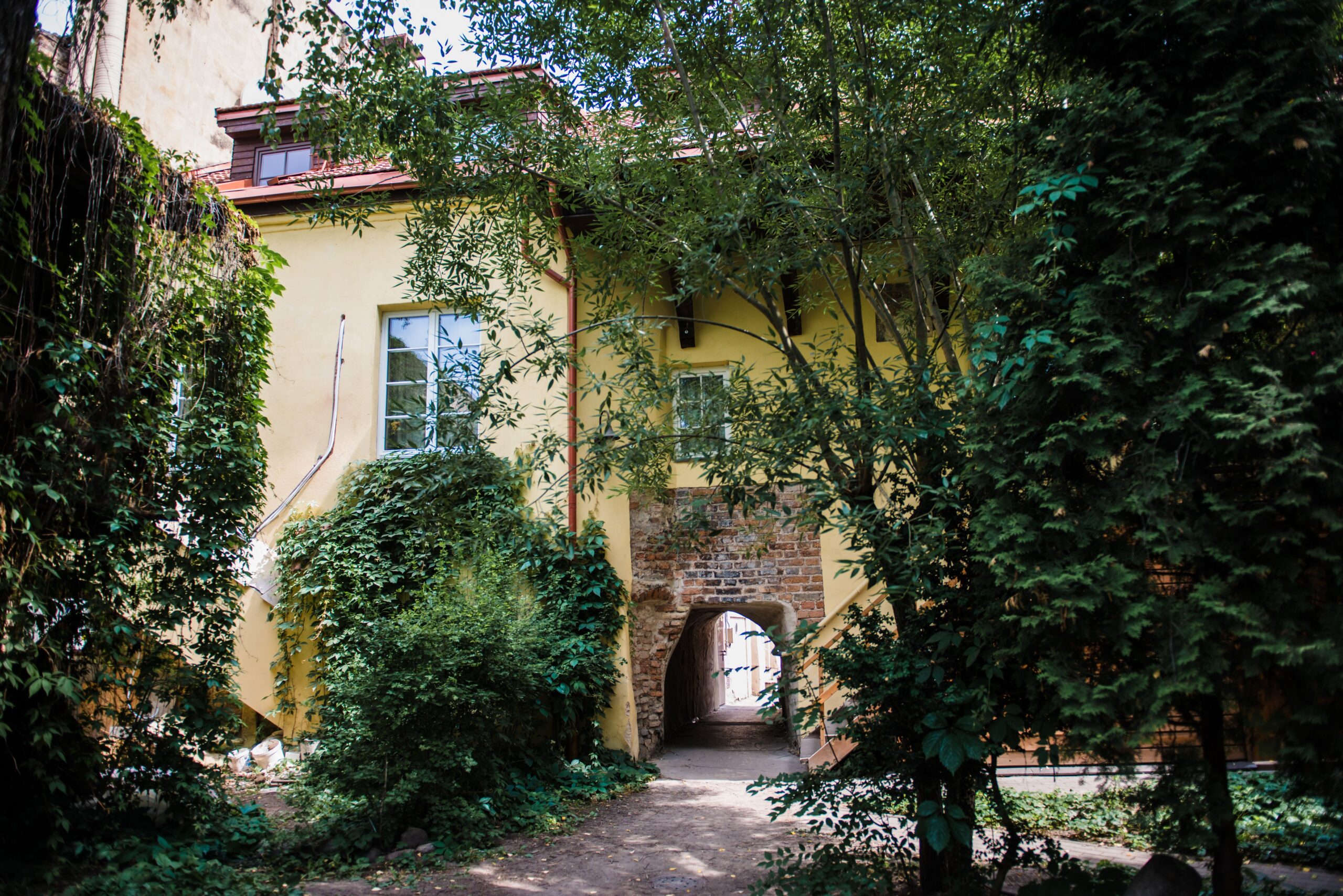
The green city travelers are looking for. Vilnius is one of the greenest capitals in the region, with 35% of the city covered by forests. These spaces function not only as recreational areas, but also as essential urban infrastructure – helping regulate air quality, reduce erosion, and support biodiversity.
The city has 13 protected nature reserves, while many forested areas are integrated into parks and public spaces. Even heavily visited areas, such as Vingis Park, maintain high biodiversity.
“Vingis Park is influenced by human activity, but bird diversity there remains one of the highest in the city,” says nature photographer Marius Čepulis.

Garden Cosmos © Neakivaizdinis Vilnius
Rare wildlife in the city. Wildlife tourism is one of the fastest-growing travel segments, with up to 40% of international tourists interested in wildlife watching (CBI). Vilnius is among the few European capitals where this can be experienced without leaving the city.
“Antakalnis bunker and Paneriai tunnel host some of the largest hibernating bat populations in Europe. The European barbastelle, one of the rarest bat species in the EU, has also been recorded here,” says Jolanta Radžiūnienė.
During summer, bats are active in parks such as Verkiai and feed along the Neris River.
“Vilnius is home to a surprising variety of species – even grass snakes can be found in residential areas. Species once considered rare are now regularly observed in the city,” adds Marius Čepulis.
As biodiversity declines across Europe, urban environments are becoming increasingly important for conservation. Vilnius offers a tangible example of how a modern city and a thriving ecosystem can coexist – giving travelers the opportunity to experience nature as part of everyday urban life.

This work is licensed under a Creative Commons Attribution-NonCommercial-NoDerivatives 4.0 International License.